

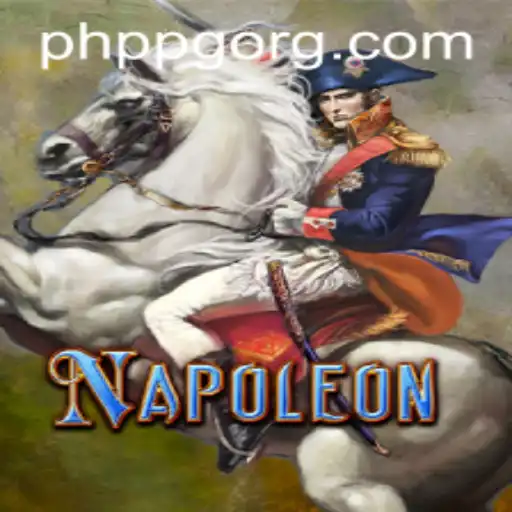
Explore Napoleon, a thrilling card game blending strategy and excitement, enhanced by the unique PHPPG mechanics.
Discover the Thrills of Napoleon: A Strategic Card Game Adventure
The card game Napoleon has emerged as a captivating blend of strategy, chance, and skill, delighting enthusiasts across the globe. With its unique gameplay mechanics and interactive components, Napoleon offers both seasoned card players and novices an exciting adventure. In the world of card games, where strategy meets unpredictability, Napoleon stands out. But what sets this game apart from other card games? Let's delve into the game’s intricate design, its engaging rules, and the innovative elements that contribute to its current appeal.
An Introduction to Napoleon
Napoleon is a trick-taking card game that emphasizes strategic depth and team dynamics. Originating from Europe around the time of the Napoleonic era, the game captures the essence of strategy akin to historical battles. It demands players' attention to detail and skillful maneuvers, much like its namesake. Over time, Napoleon has evolved, incorporating new elements to keep the gameplay fresh and engaging.
The game accommodates a variety of player counts, typically ranging from three to seven players, making it a versatile choice for different social settings. Napoleon has an elegant balance of risk assessment, team play, and the thrill of unpredictability, akin to the excitement of a battlefield maneuver. In this sense, it captures both the imagination and strategic thinking needed to outsmart opponents.
The Mechanics of PHPPG in Napoleon
The exciting twist in the current edition of Napoleon lies in the incorporation of PHPPG mechanics. This unique acronym stands for Progressive Hidden Player Point Game. It introduces a layer of complexity and engagement that transforms the game into a narrative-driven experience. In PHPPG, players must not only aim to outscore opponents but also work collaboratively to achieve hidden objectives that dynamically affect gameplay.
Incorporating PHPPG mechanics means that players need to be adaptable, as the evolving objectives can lead to a variety of strategic pivots. This aspect adds a contemporary touch to the game, aligning with current trends in gameplay that emphasize narrative and multi-layered challenges. This meld of tradition and modern design is contributing to Napoleon's resurgence in popularity as a must-play card game.
The Rules and Structure of Napoleon
Understanding the rules of Napoleon is crucial for mastering the game and utilizing its strategic potential. Each game consists of multiple rounds, and the primary goal is to secure tricks—groups of cards played by each player during a round. Winning tricks requires players to use numerically or strategically superior cards, often guided by a blend of deduction and prediction.
At the start, players are dealt a hand of cards from a standard 52-card deck. The player chosen as Napoleon for the round declares a contract, predicting the number of tricks they and their allies will win. Here, negotiation comes into play, as Napoleon selects allies to assist in fulfilling this contract. If successful, they claim significant points; failure results in harsh penalties.
Gameplay continues through several rounds, allowing each player an opportunity to undertake the role of Napoleon. This ensures varied strategies and experiences with each game session, maintaining its freshness and replayability. The introduction of PHPPG adds layers, where some objectives remain hidden, revealed only through a player's keen observation and tactical insight.
The Growing Popularity Amid Current Events
In recent times, as global events have shaped social interaction emphases, Napoleon’s surge can be attributed to its ability to bring friends and families together in a time when community is coveted. With the rise of digital platforms, Napoleon makes a seamless transition to virtual formats, offering players worldwide the chance to connect and compete regardless of physical distance. The incorporation of PHPPG mechanics enriches online play, as players engage not only in strategy but also in storytelling and collaboration across borders.
This strategic engagement aligns with the current trend in gaming that favors multifaceted experiences over traditional linear models. The growth of online communities around Napoleon reflects a shift toward cooperative gameplay, blending individual skill with group dynamics. Players find themselves crafting novel strategies that accommodate both the digital and tangible nuances of the game.
In highlighting the adaptability and evolution of Napoleon, it's evident how classic games can thrive in modern-day contexts with innovative enhancements. The combination of timeless strategic elements with fresh, engaging mechanics ensures that Napoleon remains an influential and beloved game.
A Platform for Strategic Minds
Napoleon, with its rich historical backdrop and modern twists, offers a compelling platform for strategic minds. Whether played at a leisurely pace with friends or as an intense competition among tacticians, it captures the thrill of risk and reward. With the integration of PHPPG, the journey becomes more than just a sequence of moves—it becomes an exploration into the depths of strategic planning and collaboration.
In a landscape where engagement is key and storytelling sits at the forefront of gaming innovation, Napoleon's blend of the established and the experimental sets it apart. For those seeking a card game that challenges, surprises, and entertains, Napoleon represents a must-try experience, both in traditional settings and in the digital realm.




0 Comments